Genre guide · 12 styles
Drum and Bass Subgenres: 12 Types of DnB Explained
Drum and bass has many subgenres, nearly all at around 170–176 BPM. The biggest are liquid (soulful and musical), neurofunk (dark, technical bass), jump up (bouncy riffs), rollers (hypnotic grooves), deep/minimal and dancefloor, plus roots styles like jungle and techstep and newer ones like halftime. Here's how each one sounds and how to make it.
- Styles covered12 subgenres
- Shared tempoMostly 170–176 BPM
- What changesDrums, bass, mood
- For eachSound, BPM, tip, tutorial
What are the main types of drum and bass?
The main types of drum and bass are liquid, neurofunk, jump up, dancefloor, rollers, deep/minimal, jungle and halftime, with older and niche styles such as techstep, atmospheric, drumfunk and crossbreed. They nearly all sit at around 170–176 BPM; the differences come from the drums, the bass sound design and the mood.
Subgenre names are loose labels, not rules. Plenty of tracks sit between two styles, and the same producer might make liquid one week and neuro the next. Use the names to find music you like and to learn which production choices create each sound. If you're brand new to the genre, start with what is drum and bass?.
| Subgenre | Typical BPM | Drums | Bass | Mood |
|---|---|---|---|---|
| Liquid | 170–176 | Crisp, swung, lots of ghost notes | Warm, rounded sub and mid | Soulful, uplifting |
| Neurofunk | 172–176 | Tight, hard, clinical | Complex, resampled, many sounds | Dark, technical |
| Jump up | 172–176 | Punchy and simple | Bouncy riffs, pitch movement | Playful, high energy |
| Dancefloor | 172–176 | Loud, polished, big fills | Big, layered, distorted | Euphoric, anthemic |
| Rollers | 172–175 | Steady, rolling, break-led | Repetitive, moving, techy | Hypnotic, driving |
| Deep / minimal | 170–174 | Dry, sparse, tight | Sustained, sub-heavy, textured | Dark, moody |
| Jungle | ~160–170 classic; faster today | Chopped, edited breakbeats | Deep, reggae and dub-style | Raw, energetic |
| Halftime | 170–175 (feels ~85–87) | Snare on beat 3 | Heavy, spacious | Heavy, slow-burning |
| Techstep | 170–174 | Stiff, harsh, mechanical | Detuned, distorted saws | Cold, dystopian |
| Atmospheric | ~160–172 | Light, intricate breaks | Smooth, warm subs | Dreamy, reflective |
| Drumfunk | 170–175 | Hand-edited live breaks | Simple, deep | Organic, funky |
| Crossbreed | 170–180 | Distorted, hard kicks | Kick doubles as bass | Aggressive |
BPM ranges are typical, not fixed. For more on tempo and halftime, see drum and bass BPM and structure.
What is liquid drum and bass?
Liquid is the musical, soulful side of DnB: lush chords, pianos, strings, pads and vocals over rolling two-step drums and warm, rounded basslines. It keeps the energy of the genre but trades aggression for emotion, which makes it one of the most popular entry points for new producers.
- Typical BPMAround 170–176 (174 is common)
- DrumsCrisp, swung and busy, with shuffling tops and ghost notes
- BassClean sub plus a warm, filtered mid-bass that follows the chords
- MoodUplifting, emotional, sometimes melancholic
Production tip: split the bass into a sub and a mid layer and EQ them so they don't overlap. In our liquid tutorial the sub is low-passed at around 124 Hz and the mid-bass is low-cut at around 91 Hz, so each layer has its own space.

Learn itHow to make liquid drum and bass in FL Studio · Punchy DnB drums
What is neurofunk?
Neurofunk (or neuro) is dark, technical drum and bass built around complex, heavily processed bass sounds. Producers design many short bass "shots" and sequence them into intricate patterns over tight, hard-hitting drums, often with sci-fi atmospheres. It grew out of the darker, techier styles of the late 1990s.
- Typical BPMAround 172–176
- DrumsTight, compressed and clinical, with a huge snare
- BassMany distinct, resampled bass sounds in call-and-response patterns
- MoodDark, intense, futuristic
Production tip: write the drop in short patterns. Put a "call" bass on the first beat, a response riff after it and a fill at the end of every two bars, then change sounds rather than rhythm as the pattern repeats.
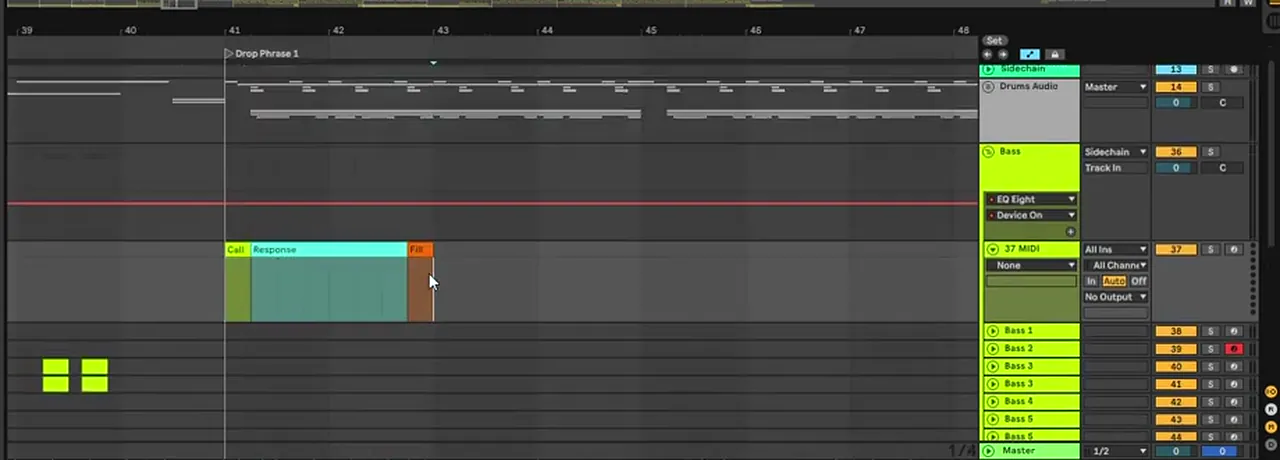
Learn itNeuro drum and bass in Ableton · Neuro bass patterns · Foghorn bass in Vital
What is jump up drum and bass?
Jump up is bouncy, playful, riff-led DnB. Instead of many different bass sounds, it usually focuses on a catchy bass hook with lots of pitch movement, gaps and repetition, written to get the crowd moving. The drums stay punchy and fairly simple so the bassline can take centre stage.
- Typical BPMAround 172–176
- DrumsPunchy, simple and loud, leaving space for the riff
- BassBrassy, wobbling or squelchy hooks with pitch bends
- MoodFun, cheeky, high energy
Production tip: keep the riff short and memorable, then let rhythm and pitch do the work. A big, horn-like bass like our foghorn patch is a good starting point; play it in short, bouncy phrases with pitch bends into the next note.
Learn itFoghorn bass in Vital · Call-and-response bass patterns
What is dancefloor drum and bass?
Dancefloor DnB is the big, accessible side of the genre: long builds, huge drops, vocal hooks and bright leads, mixed loud and polished. It often borrows melody from liquid and weight from neuro, aiming for the moment a whole room reacts at once.
- Typical BPMAround 172–176
- DrumsLoud, punchy and polished, with big fills into the drop
- BassLarge, layered mid-bass with plenty of distortion and a solid sub
- MoodEuphoric, anthemic
Production tip: contrast is everything. Make the breakdown wide and melodic, then keep the drop simpler and drier so it hits harder. Build tension with risers, rolls and a short gap of silence just before the drop.
Learn itPunchy DnB drums · Arranging a DnB drop
What are rollers (techy rollers) in drum and bass?
Rollers are hypnotic, groove-first DnB. A rolling, repetitive bassline keeps moving under steady drums, changing slowly over long sections rather than switching every few bars. Techy rollers add precise, metallic, modulated bass textures. DJs love them because they mix and layer so smoothly.
- Typical BPMAround 172–175
- DrumsSteady and rolling, often with a break or top loop driving the groove
- BassMoving FM or filtered basses with notch sweeps and pitch drops
- MoodHypnotic, driving, focused
Production tip: put the movement inside the sound, not in the notes. LFOs on level, filters or notch EQs, plus a small pitch drop on each note, let a simple bassline roll for 32 bars without getting boring.
Learn itRoller bass in Vital · Techy roller bass in Serum
What is deep and minimal drum and bass?
Deep and minimal DnB strip the genre back: few elements, lots of space, dry drums and dark, sustained basses that rumble rather than shout. The tension comes from texture and slow movement, so every sound has to earn its place.
- Typical BPMAround 170–174
- DrumsDry, tight and sparse, with space between the hits
- BassDeep, sustained basses from simple waveforms, distortion for texture
- MoodDark, moody, hypnotic
Production tip: start from basic waveforms so the energy stays in the lows and low mids, then give one patch plenty of slow movement. With enough movement in the sound, a single long note can carry a whole minimal drop.
Learn itDark, minimal DnB bass sound design in Vital
What is jungle?
Jungle is the root of drum and bass. It took shape in early-1990s UK rave culture, with sampled funk breaks (the "Amen" break is the most famous) chopped, re-pitched and rolled into frantic patterns over deep, reggae and dub-influenced basslines. MCs, sound-system culture and vocal samples are a big part of its sound.
- Typical BPMClassic tracks roughly 160–170; many modern ones run faster
- DrumsComplex, hand-edited breakbeats with rolls and re-pitched hits
- BassDeep subs, long notes and reggae-style lines
- MoodRaw, energetic, rough-edged
Production tip: slice a break into single hits and re-sequence them, re-pitching a few slices for variation. Then glue the whole break together with parallel compression so the edits sound like one performance.
Learn itPunchy DnB drums (parallel compression)
What is halftime drum and bass?
Halftime keeps the DnB tempo but moves the snare from beats 2 and 4 to beat 3, so the drums feel half as fast. At 174 BPM it feels like 87 BPM: heavy, spacious and often experimental, with influences from hip-hop and wider bass music. Because the tempo matches, DJs can mix it straight into normal DnB.
- Typical BPMAround 170–175 (feels like roughly 85–87)
- DrumsHalf-time pattern with one big snare per bar
- BassHeavy, sub-focused, neuro-style design with more space
- MoodHeavy, dark, slow-burning
Production tip: keep the project at DnB tempo and only move the snare. That way you can switch between halftime and two-step inside one track, which makes a great switch-up for a second drop.
Learn itHalftime explained · Neuro bass patterns
What is techstep?
Techstep emerged in the mid-to-late 1990s as a darker, colder take on drum and bass: mechanical drums, detuned and distorted bass, and sci-fi and industrial atmospheres. It moved away from the swing of jungle towards something stiffer and more futuristic, and it laid the groundwork for neurofunk.
- Typical BPMAround 170–174
- DrumsStiff, harsh and programmed, with less swing
- BassDetuned, distorted saw basses that phase and growl
- MoodCold, dystopian, menacing
Production tip: layer two slightly detuned saw waves for a phasing, growling bass, low-pass it, then add distortion. Keep the drums rigid and dry so the bass feels even more menacing.
Learn itNeuro drum and bass in Ableton · Techy roller bass in Serum
What is atmospheric (intelligent) drum and bass?
Atmospheric drum and bass, also called intelligent DnB, developed in the mid-1990s as a lush, spacious alternative to harder jungle. Think ambient pads, jazz chords, soft vocal textures and long reverbs over light, intricate breaks and smooth sub basses. It's an ancestor of modern liquid.
- Typical BPMRoughly 160–172
- DrumsLight, crisp and intricate breaks
- BassWarm, smooth subs that sit under the pads
- MoodDreamy, reflective
Production tip: use long reverbs and big pads, but high-pass them so the low end stays clean for the sub. Slow filter automation on pads keeps a long, ambient section evolving.
Learn itLiquid drum and bass in FL Studio
What is drumfunk?
Drumfunk makes the breakbeat the lead instrument. Producers edit live-sounding funk breaks by hand, slice by slice, building intricate, swinging patterns with rolls and ghost notes that never quite repeat. The bass usually stays simple and deep to leave room for the drums.
- Typical BPMAround 170–175
- DrumsHand-edited live breaks, loose and swung
- BassSimple, deep and supportive
- MoodOrganic, funky, hypnotic
Production tip: resist the urge to quantise everything. Edit the break by hand, keep some of the original timing, and use small changes in velocity and pitch so it sounds played rather than programmed.
Learn itPunchy DnB drums
What is crossbreed?
Crossbreed fuses drum and bass with harder electronic styles: distorted, pounding kick drums meet DnB tempo and drum patterns. The kick often doubles as the bass, so the sound is aggressive and saturated.
- Typical BPMAround 170–180
- DrumsHard, distorted kicks within a DnB pattern
- BassThe distorted kick carries much of the low end
- MoodAggressive, intense
Production tip: distortion eats headroom fast. Gain-stage carefully and use a soft clipper on the drums so you can push them loud without the master limiter crushing everything.
Learn itSoft clipping in our punchy drums guide
Which drum and bass subgenre should you produce?
Produce the style you listen to most. You already know how it should feel, which makes it far easier to judge your own drafts. The core skills, from two-step drums and clean sub bass to 16-bar phrasing, carry across every subgenre, so nothing you learn is wasted if you switch later.
- Want to learn groove and bass layering? Liquid and rollers are great teachers.
- Want to learn sound design and drop writing? Neurofunk will stretch you.
- Want space to experiment? Halftime and minimal reward bold ideas.
Whatever you choose, structure matters as much as sound. Our guide to DnB BPM and arrangement shows how to turn a loop into a full, DJ-friendly track. For a structured route through it all, read our drum and bass production course guide or see DNB Foundations, which includes weekly live feedback calls. If you'd like one-to-one feedback on your own style, take a look at our mentorship.
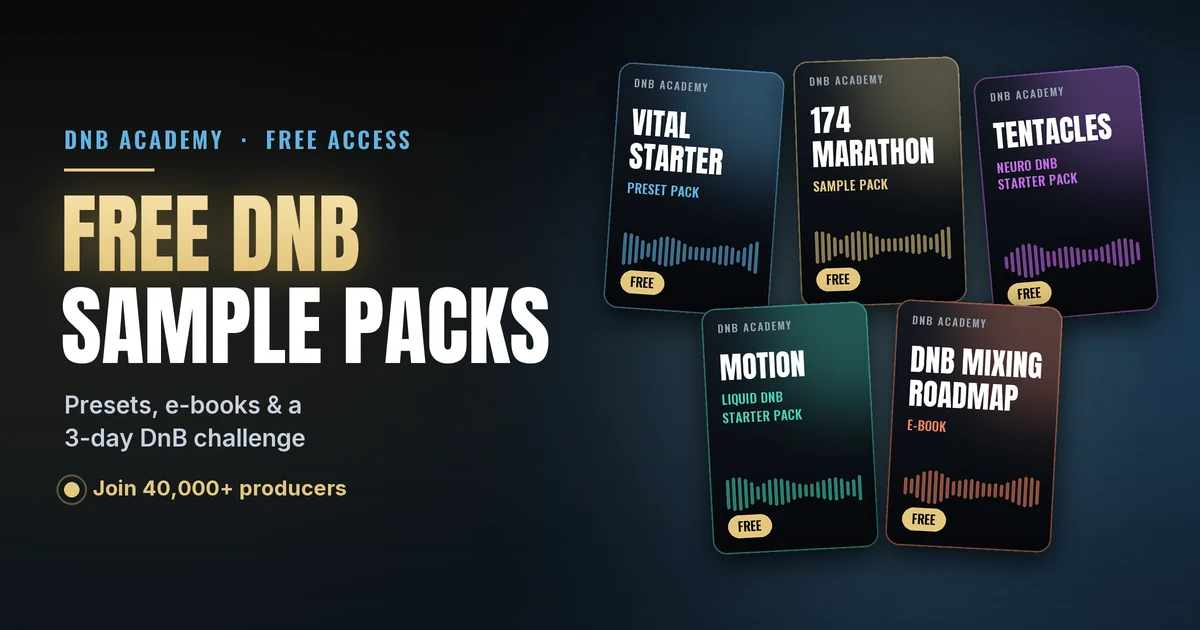
Free download
Free DnB packs for every style
Try the styles above with free sounds. The 174 Marathon pack is an all-round starting point, and Free Access also has style-specific packs.
- 174 Marathon Sample Pack: 100+ royalty-free samples, including drums, bass, FX and melodics
- Neuro: Tentacles Neuro DnB Starter Pack (50 samples, Ableton project) and Vital Starter Preset Pack
- Liquid: Motion Liquid DnB Starter Pack (26 samples, FL Studio project)
- Plus mixing and mastering e-books and a 3-day DnB challenge for Ableton Live and FL Studio
Join 40,000+ producers in DNB Academy Free Access. Just your artist name and email, no card needed.
Go deeper
Artist courses and packs by style
Want to go deep on one sound? These artist courses, preset bundles and sample packs match the styles above.
Liquid & atmospheric
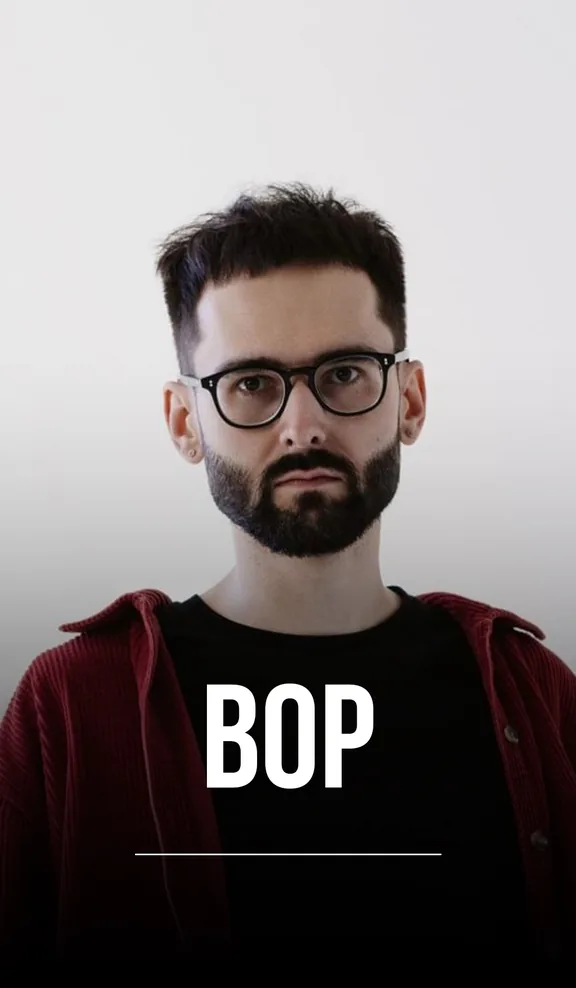 Production courseBop production courseLiquid / Micro-funk: a full artist course on producing liquid drum & bass.
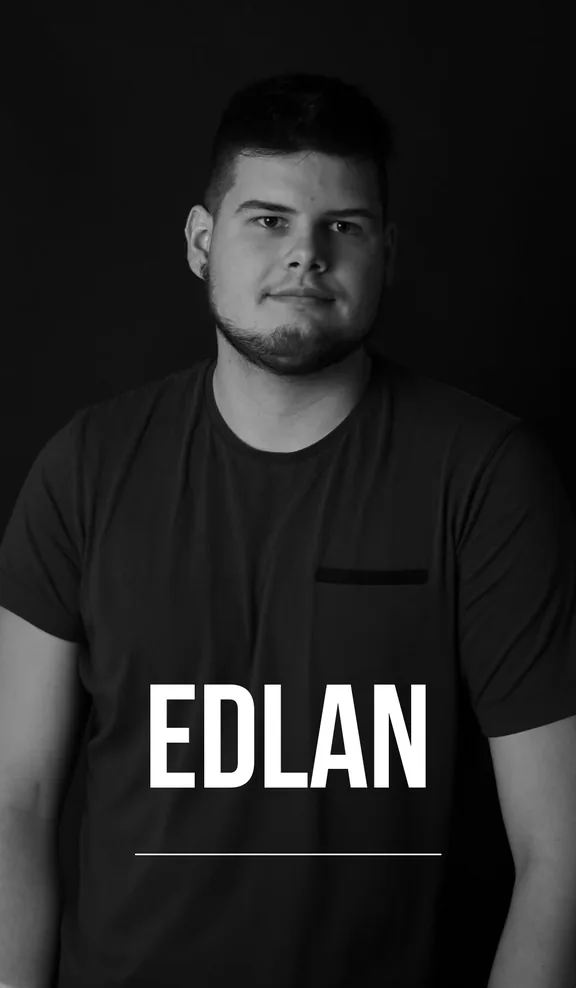 Production courseEdlan production courseLiquid: an artist course on writing and producing liquid DnB.
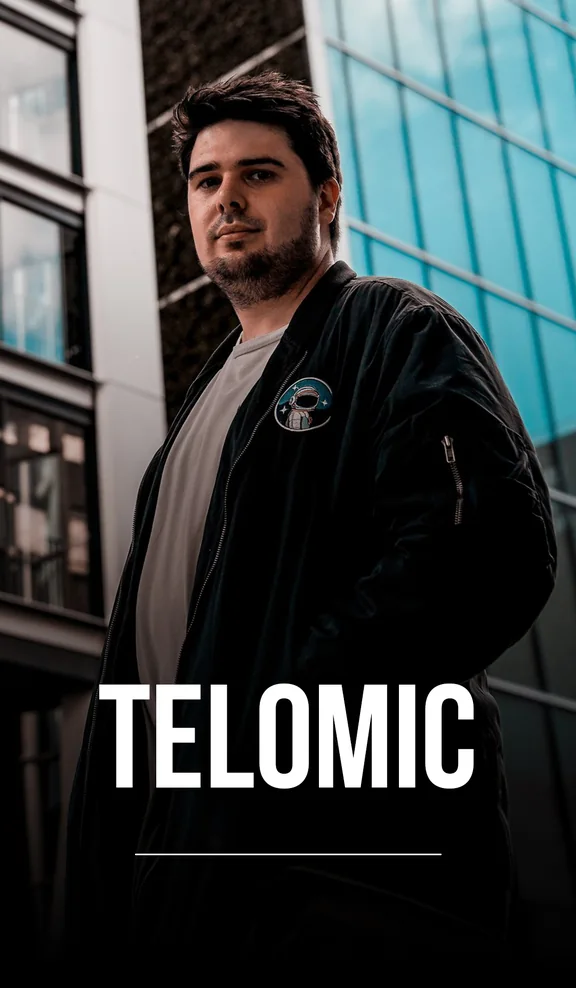 Production courseTelomic production courseLiquid / Deep: an artist course on deep, liquid drum & bass.
Neurofunk & techstep
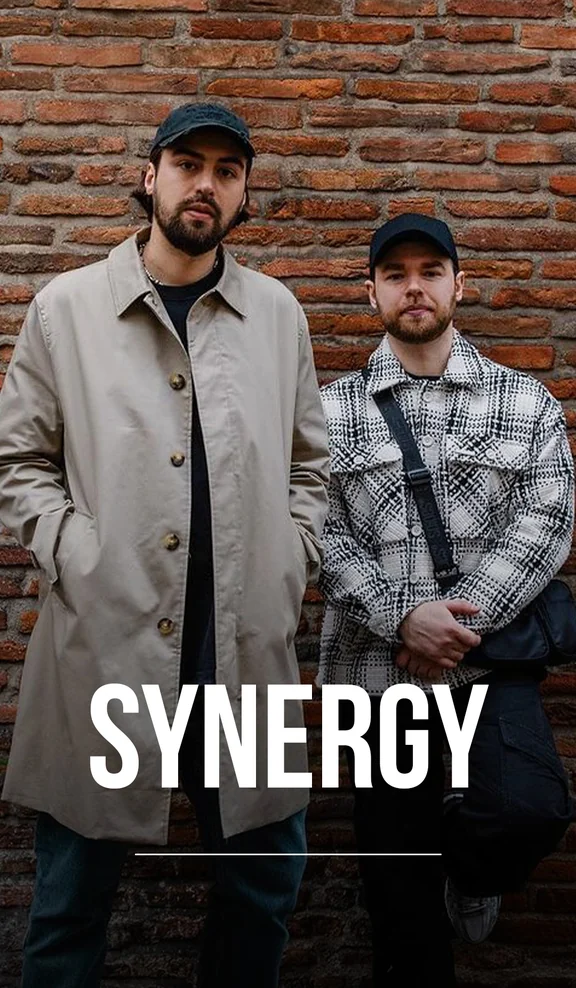 Production courseSynergy production courseNeurofunk / Future: an artist course on neuro and future DnB.
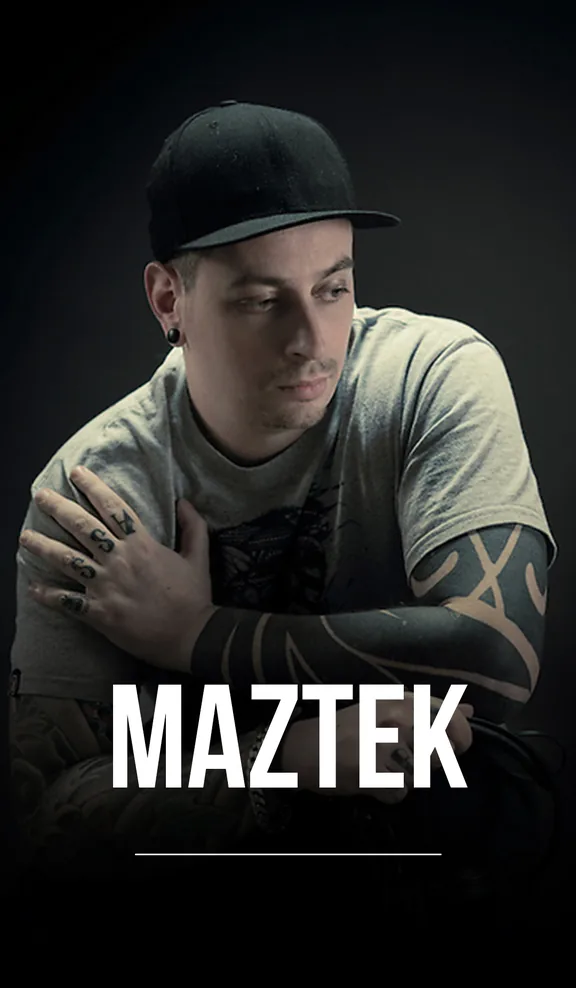 Production courseMaztek production courseNeurofunk: an artist course on neurofunk production.
 Production courseScreamarts production courseNeurofunk / Future: an artist course on neuro and future DnB.
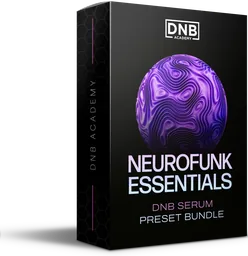 Preset bundleNeurofunk Essentials Serum preset bundleNeurofunk: Serum presets for neuro basses to sequence.
Rollers & techy rollers
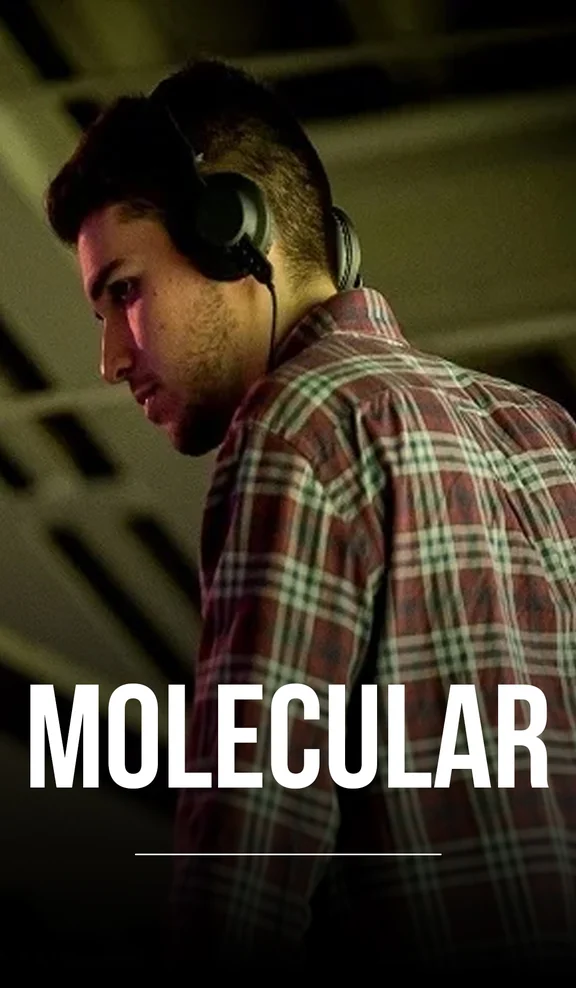 Production courseMolecular production courseTechy / Rollers: an artist course on rolling, techy DnB.
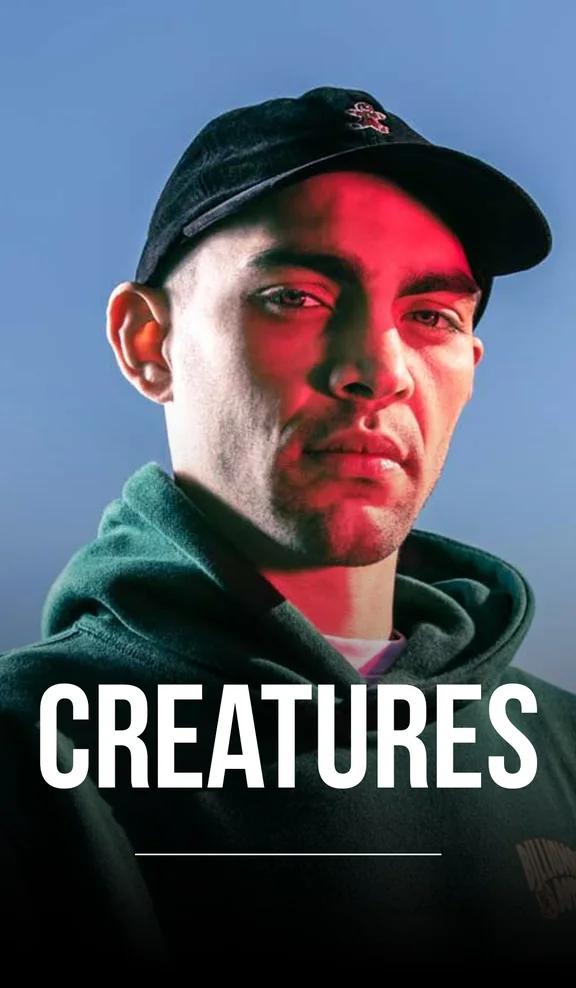 Production courseCreatures production courseTechy / Rollers: an artist course on techy, rolling drum & bass.
Jump up
Deep & minimal
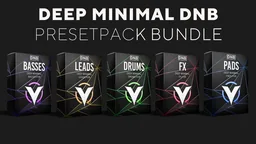 Preset bundleALIX Vital preset bundleDeep / Minimal: Vital presets for dark, minimal DnB.
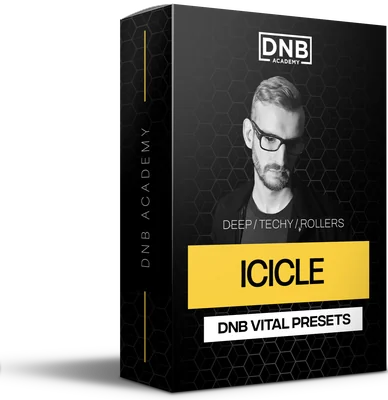 Preset bundleIcicle Vital preset bundleDeep / Techy: Vital presets for deep, techy drum & bass.
Jungle, drumfunk & drums
 Sample packDNB Drums Vol. 1 sample packDrum & bass drum samples to build and layer beats with.
 Sample packSauce drums sample packMore DnB drum sounds for kicks, snares and layered hits.
Every artist course, preset bundle and sample pack is also in The Vault. Browse courses
Related tutorials
All tutorials → FL Studio · LiquidHow to Make Liquid Drum and Bass in FL Studio11 min read · Video + guide
 Ableton · NeuroHow to Make Neuro Drum and Bass in Ableton Live12 min read · Video + guide
 Ableton · NeuroNeuro Bass Patterns: How to Write DnB Basslines8 min read · Video + guide
 Vital · Bass designHow to Make a Roller Bass in Vital8 min read · Video + guide
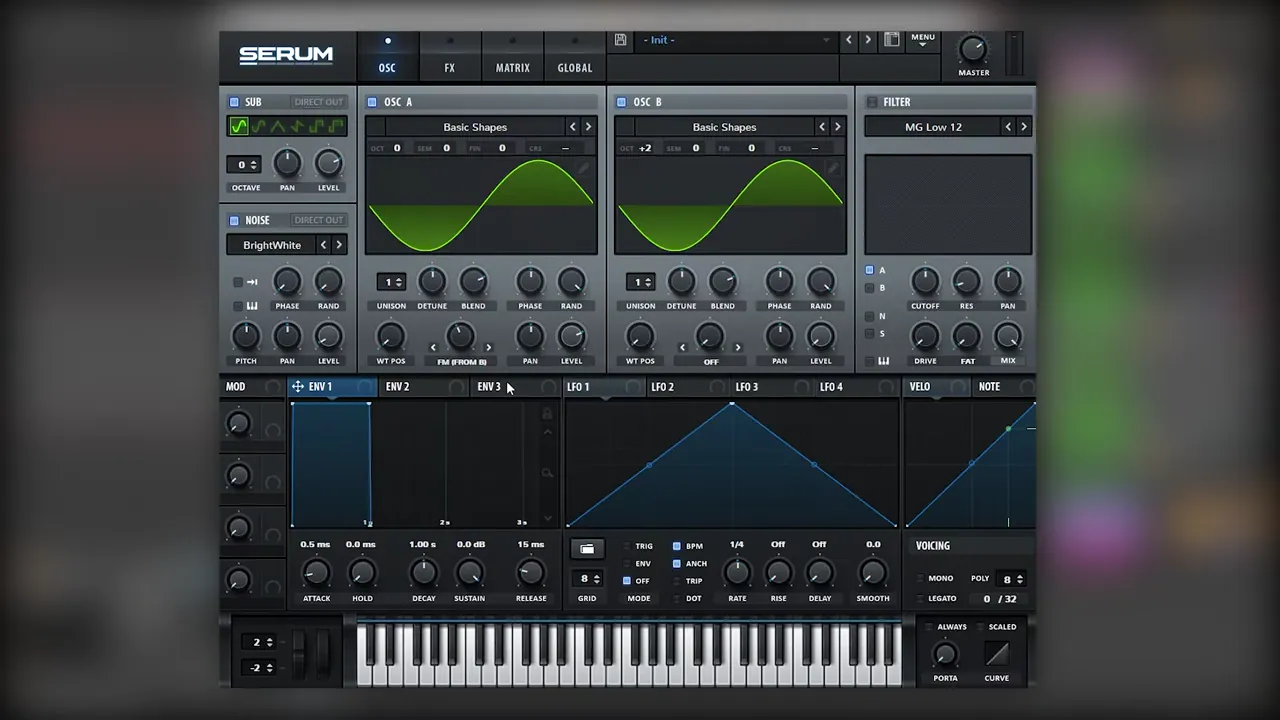 Serum · Bass designHow to Make a Techy Roller Bass in Serum7 min read · Video + guide
 Vital · Bass designDark, Minimal DnB Bass Sound Design in Vital7 min read · Video + guide
 Vital · Bass designHow to Make a Foghorn Bass in Vital6 min read · Video + guide
 Mixing · DrumsHow to Make DNB Drums Punchy: 3 Mixing Techniques8 min read · Video + guide
FAQ
How many subgenres of drum and bass are there?
There is no official number. Most producers and DJs recognise around ten to fifteen main styles, including liquid, neurofunk, jump up, rollers, deep/minimal, dancefloor, jungle, halftime, techstep, atmospheric, drumfunk and crossbreed. Many tracks mix two or more of them.
What BPM are drum and bass subgenres?
Most drum and bass subgenres sit between about 170 and 176 BPM, and 174 BPM is the most common tempo. Classic jungle and early atmospheric tracks often ran a little slower, roughly 160–170 BPM. Halftime keeps the DnB tempo but feels half as fast.
What is the difference between liquid and neurofunk?
Liquid is the musical, soulful side of drum and bass, with chords, pianos, pads and vocals over rolling drums and warm basses. Neurofunk is dark and technical, built around complex, heavily processed bass sounds and tight, hard-hitting drums.
Is jungle a subgenre of drum and bass?
Jungle came first and drum and bass grew out of it, so many people see jungle as the root of the genre rather than a subgenre. Today it is usually filed under the wider drum and bass family, with chopped breakbeats and reggae-style basslines as its trademarks.
What is the difference between rollers and jump up?
Rollers are hypnotic and groove-led: a repetitive, rolling bassline that changes slowly over long sections. Jump up is bouncy and riff-led: catchy, playful bass hooks with lots of pitch movement, written to get a big reaction from the crowd.
Is halftime drum and bass?
Yes, halftime is usually treated as part of the drum and bass family. It keeps the DnB tempo of around 170–175 BPM but places the snare on beat 3 instead of beats 2 and 4, so the drums feel half as fast. That makes it easy to mix with normal DnB.
Which drum and bass subgenre should beginners start with?
Start with the style you listen to most, because you will know how it should sound. Liquid and rollers are good for learning groove and bass layering, while neurofunk teaches sound design and arrangement. The core skills of drums, sub bass and phrasing carry across every style.
Next steps
Picked a style? The fastest way to learn it is to recreate the sound yourself. Here's where to go next:
Free sample packs
Five free DnB sample and preset packs, e-books and a 3-day challenge.
Get free packsCourse guide
How to learn drum and bass production step by step, and which course fits your level.
Read the guide1:1 Mentorship
Personal guidance on your music from a mentor, built around your goals.
See the mentorship