Guide · Updated 13 Oct 2026

Drum & Bass Production Course: How to Learn DnB the Right Way

What a good DnB course should teach, how the options compare, what it really costs, and the quickest route from your first sound to a finished track. Beginners welcome.

50,000+ producers have joined DNB Academy

50,000+
Producers joined
40,000+
Free Access members
5,300+
Producer Discord
2019
Teaching DnB since

Quick answer

What's the best way to learn drum & bass production?

The fastest way to learn drum & bass production is a structured course that teaches DnB-specific skills in order (drums, bass, sound design, arrangement and mixing) combined with regular feedback on your own tracks. Free tutorials are great for single techniques, but they can't hear your music. Start free, follow one clear path, finish tracks and get them heard by people who release this music.

  • New to production? Learn one DAW and finish simple tracks before chasing perfect ones.
  • Choosing a course? Look for a DnB-specific curriculum, full tracks built start to finish, and feedback on your music.
  • Want to move faster? 1:1 mentorship gives you a personal roadmap and pro ears on every mixdown.

On this page

The curriculum

What should a drum & bass production course teach?

A good drum & bass production course treats DnB as its own discipline, not techno at 174 BPM. It should cover your DAW, drums, bass, sound design, arrangement, mixing and mastering, and finishing tracks, in the order you actually need them, with complete tracks built from first idea to master.

The seven skills a drum and bass production course should cover
SkillWhat you should learnWhy it matters in DnB
1Your DAWFL Studio, Ableton Live or Logic Pro: workflow, routing, automation, shortcutsAll three make pro DnB. Speed keeps ideas alive.
2DrumsTwo-step patterns, chopping breaks, layering kicks and snares, grooveAt 170–175 BPM the drums carry the energy.
3BassA clean mono sub, mid-bass layers, reese, neuro and liquid stylesSub and mid-bass must work together, not fight.
4Sound designSynthesis in Serum or Vital, resampling, FX chainsThe sound in your head, in your project.
5ArrangementIntro, build, drop, breakdown, second drop and outro in DJ-friendly phrasesIt turns an 8-bar loop into a track a DJ can actually mix.
6Mixing & masteringGain staging, EQ, compression, sub control, loudness, referencingIt must translate from headphones to club to phone.
7Finishing & releasingFinishing habits, getting feedback, preparing demos, approaching labelsUnfinished loops don't get signed. Finished tracks do.

Options compared

Ways to learn DnB production, compared

Whether you call it a DnB school, classes, lessons or coaching, every option trades cost against structure, feedback and speed. Free tutorials cost nothing but leave you to guess the order and diagnose your own mistakes. Courses add structure. Feedback, in live group calls or 1:1 mentorship, tells you which problem to fix first.

YouTube tutorials, self-paced courses, structured courses with feedback and 1:1 mentorship compared
OptionCostStructureFeedback on your tracksSpeedBest for
YouTube & free tutorialsFreeNone: you choose the orderNoneSlowest: lots of guessworkSingle techniques and inspiration
Self-paced coursesLow
One-off payment
Set lessons on one topic or artist workflowNoneFaster on specific skillsLearning a style or a sound
Structured course + live feedbackModerate
One-off payment
A full path from first sound to finished trackGroup live feedback callsSteady, guided progressBeginners who want a clear path
1:1 mentorshipHigher
A bigger investment, typically four figures
A personal plan built around your musicPrivate 1:1s with a working artist, plus live sessionsFastest: you fix the right thing firstProducers serious about releasing

Our take: combine them. Free content for inspiration, one structured path for fundamentals, and feedback as soon as you're finishing ideas.

Beginner roadmap

How to make drum & bass: from first sound to finished track

New to drum & bass production? Follow these eight steps in order. Step eight is the one most beginners skip.

  1. Choose one DAW and stick with it

    FL Studio, Ableton Live and Logic Pro all make professional DnB. Learn the piano roll, mixer, sends and automation.

  2. Pick three reference tracks

    Choose tracks in the style you love (liquid, neuro, jump-up, rollers), drop them into your project and match the tempo, usually 170–175 BPM.

  3. Build the drums first

    Start with a two-step: kick on beat one and the "and" of beat three, snare on two and four. Layer a chopped break or hats on top for groove.

  4. Write a sub that follows the kick

    Keep it a clean mono sine or triangle, and let kick and sub take turns rather than fight for the same space.

  5. Learn one synth properly

    Serum and the free synth Vital are both standard. Design a mid-bass, then resample and process it until it's yours.

  6. Arrange a full track

    Work in 8- and 16-bar phrases: intro, build, drop, breakdown, second drop, outro. Stuck? Copy the structure of a reference.

  7. Mix as you go, then reference

    Leave headroom, cut what clashes, and compare with your references at matched volume on headphones, monitors and a phone.

  8. Finish, get feedback, repeat

    Export it, get honest feedback from someone who makes this music, and apply it to the next track. Ten finished tracks teach more than a hundred loops.

Honest pricing

How much does a drum & bass course cost?

A drum & bass course can cost nothing or be a four-figure investment. The price mostly follows how much personal feedback you get: free content and one-payment courses have none, structured programmes add live feedback calls, and 1:1 mentorship is built entirely around your tracks.

Free

Free resources

Tutorials, packs and challenges. Great for getting started. No feedback.

One-off payment

Single courses

One skill, style or artist's workflow. Yours to keep. No personal feedback.

Mid-range

Structured programme

A complete beginner-to-finished-track path, plus live feedback calls.

Typically four figures

1:1 mentorship

A bigger investment, typically in the four-figure range; the call works out what you need.

Rule of thumb: pay for feedback, not more content. If you own more tutorials than finished tracks, another tutorial won't fix it.

Mentorship & coaching

Why mentorship and coaching speed you up

Mentorship speeds you up because it replaces guessing with diagnosis. A course can't hear your track; a mentor can. A working drum & bass artist listens to what you've made, names the weak link and builds your plan around the sound you're chasing, so each week you work on the thing that matters most.

Feedback on your real tracks

Your actual project gets opened, played and diagnosed, so you learn why a track didn't land.

A personal roadmap

You learn in the order you need, with a plan aimed at your gaps and the sound you're after.

Pro ears on your mixdowns

Someone who releases this music hears what you can't yet: a muddy sub, drums that won't cut through.

Accountability

Regular 1:1s and live sessions give you a reason to finish, so progress stops depending on motivation alone.

Every 1:1 and live session is recorded, so a missed week isn't a lost week.

Label & release guidance

When a track is ready, which labels fit and how to approach them: hard to learn from tutorials.

“You helped me reach out to Fokuz Recordings… the first steps of working with a label.”IYRE, mentorship student

On your own

  • You guess which problem to fix first
  • You finish a track and never find out why it didn't land
  • You learn in the order lessons come, not the order you need

With a mentor

  • Someone who releases this music tells you what to fix first
  • Your actual track gets listened to and diagnosed
  • Your plan is built around your sound and your gaps

Student results

Mentorship case studies: Vibe Chemistry, IYRE and Leniz

All three came through DNB Academy mentorship. Different styles and starting points, same approach: make music, get it heard, fix the right thing next.

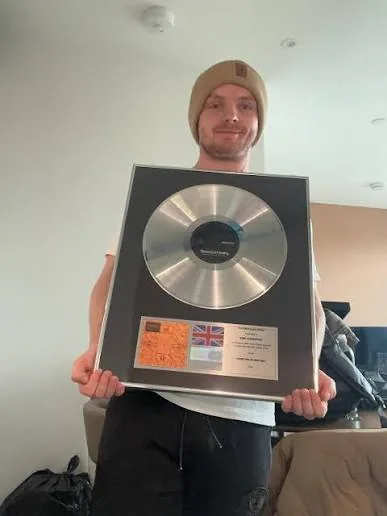
Vibe Chemistry holding a platinum discPlatinum certified

Vibe Chemistry

Bedroom producer → Platinum certified

  • Platinum-certified UK #5 hit
  • Nominated for Song of the Year at the 2024 BRIT Awards
  • Over 500 million streams, with support on BBC Radio 1
“Highly recommend the DNB Academy mentorship. They changed my life, so I can't do anything but vouch for them.”Vibe Chemistry
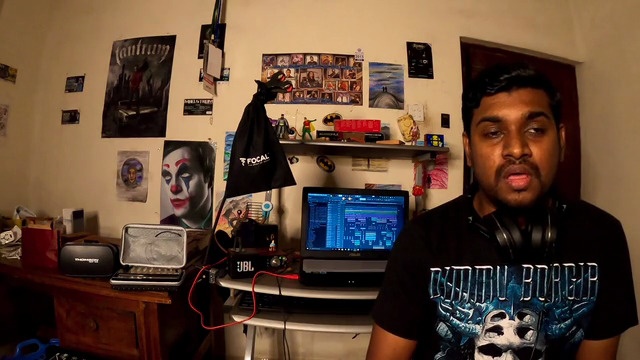
IYRE video review, recorded in his home studioTouring headlinerWatch his story1:49

IYRE

Bedroom producer → Touring headliner

  • Releases on Hospital Records, Shogun Audio and UKF
  • Best Newcomer nominee at the Drum&BassArena Awards, 2021 and 2023
  • In his own words: two years, from zero to this
“If you're willing to put in the work, there's no better education platform on earth.”IYRE
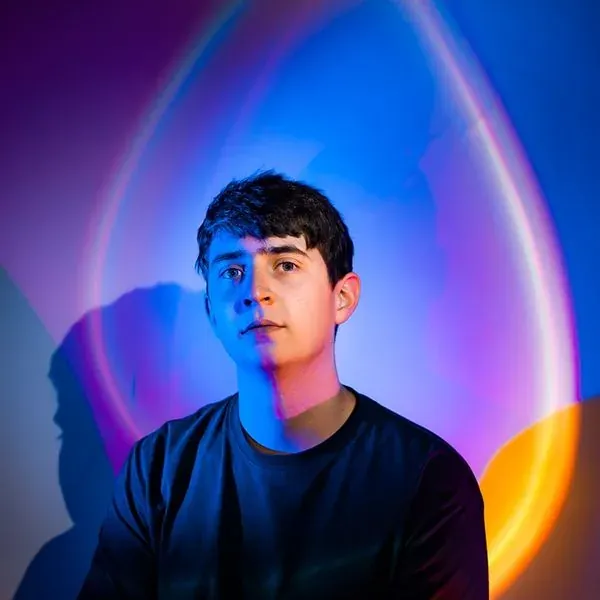
Leniz, drum and bass producerStarted in his teens

Leniz

Teenage beginner → Liquid DnB artist

  • Started learning with DNB Academy in his teens
  • Releases on Liquicity, Galacy, Goldfat, Soulvent and Fokuz
  • Debut album Perceptions of Reality featured by UKF
  • First vinyl pressing in 2025

The honest bit: results like these took years of focused work and aren't guaranteed. What mentorship changes is how quickly you know what to work on. If you're brand new or on a tight budget, start free and add structure first.

FAQ

Drum & bass course FAQs

Can a complete beginner learn drum and bass production?

Yes. Most producers start with no music theory or production experience. What matters is learning in the right order: one DAW, then drums, bass, sound design, arrangement and mixing, finishing tracks along the way.

What is the best DAW for drum and bass?

The one you will open every day. FL Studio, Ableton Live and Logic Pro are all used to make professional drum & bass, and the techniques transfer between them. Pick one and don't switch until you've finished several tracks.

How long does it take to learn drum & bass production?

There is no fixed timeline. With regular practice and a clear path, a first finished track is realistic within your first few months. Release-ready music takes longer and depends on practice time and the quality of feedback you get. IYRE, one of our mentorship students, describes his own journey as “two years, from zero to this”.

Is an online drum and bass course as good as in-person lessons in London?

For most producers, yes. Production happens on a computer, so screen sharing, project reviews and recorded sessions work as well as being in the same room, and you can rewatch everything. DNB Academy runs entirely online, so you can learn from London or anywhere else, with members joining from the UK, Europe, the US, Australia and beyond.

Is a drum and bass production course worth it?

It is worth it when it gives you structure and feedback you can't get for free. Free tutorials are fine for single techniques, but a good course saves time by teaching things in order and building complete tracks. Look for a DnB-specific curriculum, working artists teaching, and a way to get your own music heard.

How much does a drum and bass course cost?

From free to a four-figure investment. Free Access costs nothing, artist courses are a one-off payment, structured programmes like DNB Foundations 2.0 add weekly live feedback, and 1:1 mentorship is a bigger investment, typically in the four-figure range; the call works out what you need.

Do I need Serum to make drum and bass?

No. Serum is popular, but Vital is a free wavetable synth that covers much of the same ground, and the stock synths in FL Studio, Ableton Live and Logic Pro can make great DnB sounds. Understanding synthesis matters more than any plugin.

Can I get feedback on my tracks?

Yes. DNB Foundations 2.0 includes a weekly live feedback call, and 1:1 mentorship adds private sessions with a working drum & bass artist plus live sessions every day of the week. You can also share music in our 5,300+ producer Discord.

What is the difference between a DnB course and mentorship?

A course teaches the craft in a set order, the same for everyone. Mentorship is personal: your mentor listens to your tracks, works out what is holding them back and builds a plan around your goals. Many producers use both: courses for skills, mentorship for direction and feedback.

Where should I start if I want to learn drum & bass?

Start free. DNB Academy's Free Access gives you sample and preset packs, e-books, a 3-day DNB challenge and track breakdowns, and 40,000+ members have joined it. When you want a full path, move on to DNB Foundations 2.0 or apply for mentorship.
Start today

Make your first finished drum & bass track

Free packs, e-books, a 3-day DNB challenge and track breakdowns. Join 40,000+ members.

Written by the DNB Academy team · Last updated 13 October 2026